

This powerful question framed the recent regional youth dialogue hosted by the Living Together Institute, themed “𝐘𝐨𝐮𝐭𝐡 𝐨𝐧 𝐭𝐡𝐞 𝐅𝐫𝐨𝐧𝐭𝐥𝐢𝐧𝐞𝐬: 𝐃𝐞𝐦𝐨𝐜𝐫𝐚𝐭𝐢𝐜 𝐑𝐞𝐬𝐢𝐥𝐢𝐞𝐧𝐜𝐞 𝐚𝐧𝐝 𝐂𝐢𝐯𝐢𝐜 𝐑𝐞𝐧𝐞𝐰𝐚𝐥 𝐢𝐧 𝐒𝐨𝐮𝐭𝐡𝐞𝐫𝐧 𝐀𝐟𝐫𝐢𝐜𝐚.”The event gathered young leaders from across the region to explore democracy, power, and youth’s role in shaping both.
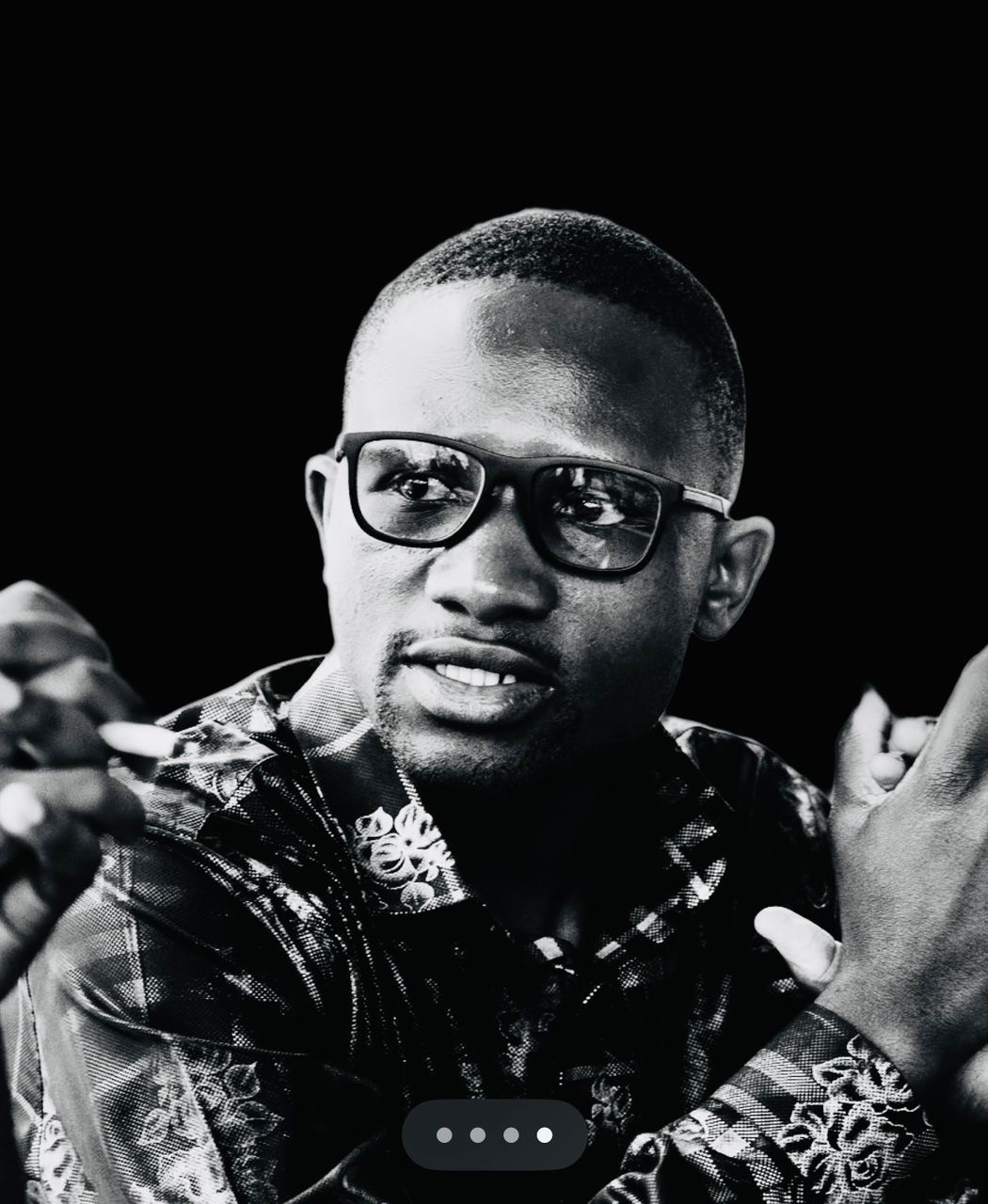
Munashe Cuthbert Masiyiwa opened the conversation with a bold reflection questioning whether the democracy we uphold is truly serving us as young Africans. He raised an important point, questioning whether this growing disillusionment is what drives many young people to admire military figures like Thomas Sankara and Ibrahim Traoré, leaders who rose to power undemocratically but are celebrated for their radical action and commitment to justice.
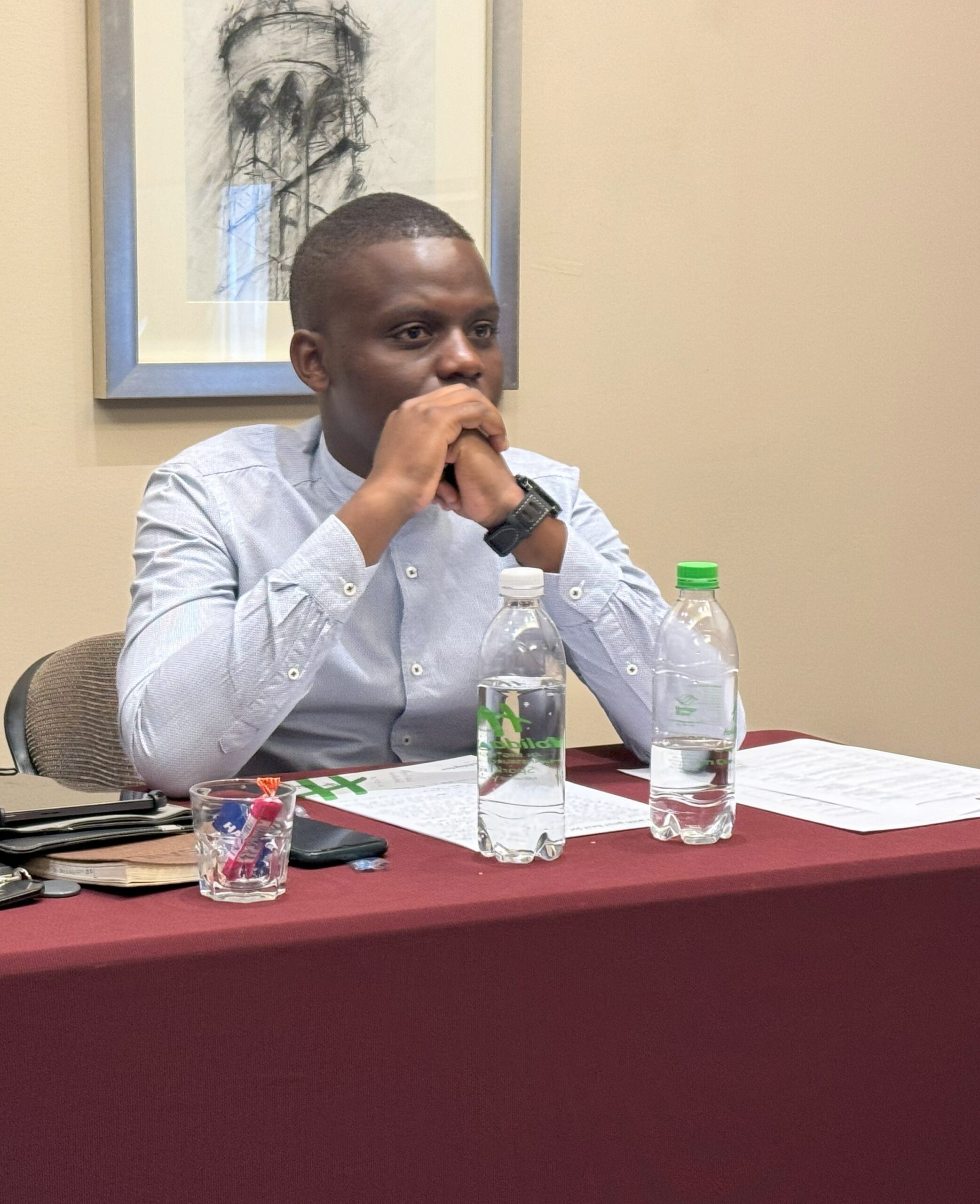
Picking up on this, Tapiwanashe Chiriga reminded us that despite its flaws, democracy remains the best system of governance when it’s done right. The real challenge, he noted, lies in building institutions and movements that reflect democratic values in action, not just in theory.
.
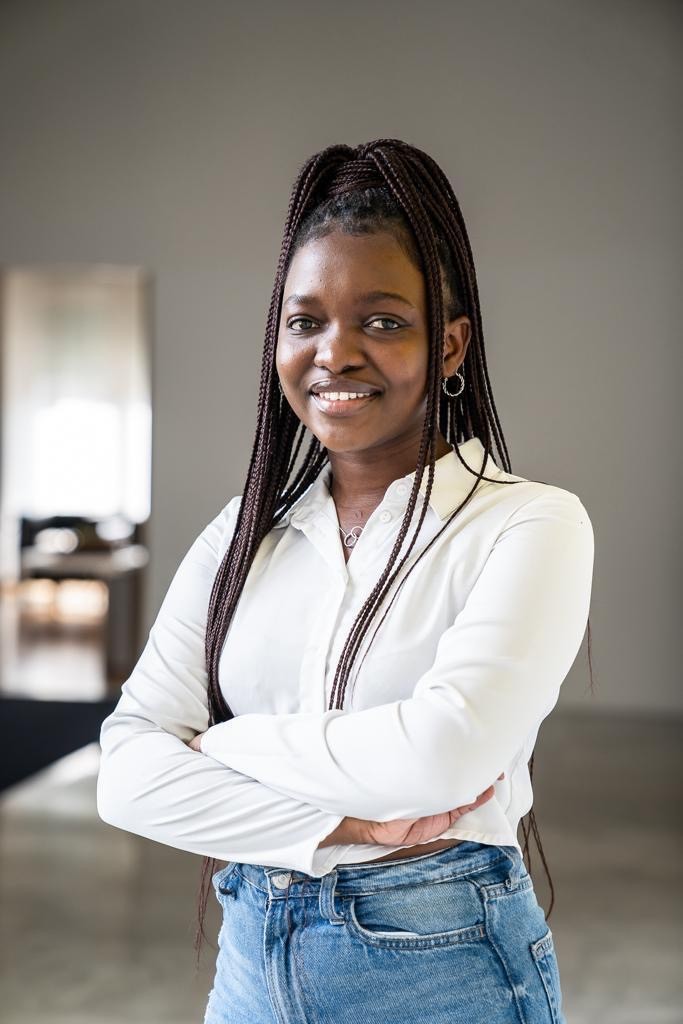
This idea of transforming systems from within was echoed by Rebecca Kazingatchire from Malawi, who brought the much-needed lens of intersectional leadership. She emphasized that women must not only be included in youth-led movements but also celebrated for leading with their feminine energy. “Women are not weak,” she said. “We lead differently, and that difference is powerful.” Her message was clear: gender equity is essential to democratic renewal.
And in sustaining this renewal, mental health emerged as a key theme. Buthisizwe Lindy Moyo of the Shekinah Legacy Foundation reminded us that mental health is not a luxury. Young activists carry the weight of movements, yet society expects them to be invincible. “Mental strain,” she said, “is not a sign of weakness.” It’s time we recognize that self-care is part of the struggle, not separate from it.
Building on this momentum, political scientist Liam Takura Kanhenga zoomed out to show us the bigger picture. He spoke of how African youth are redefining democratic participation, from protests in the streets to influence in policymaking. Using examples from Zambia and Kenya, he showed how protest is no longer just about resistance but a strategic step toward power.
We extend our sincere gratitude to the IMS Foundation for their invaluable support. At the Living Together Institute, we remain committed to creating spaces for critical reflection, honest dialogue, and youth-led conversations challenging the status quo. By bringing young people across Southern Africa together, we’re not only amplifying voices but also building a future rooted in inclusion, justice, and resilience.
#YouthforDemocracy #SouthernAfrica