
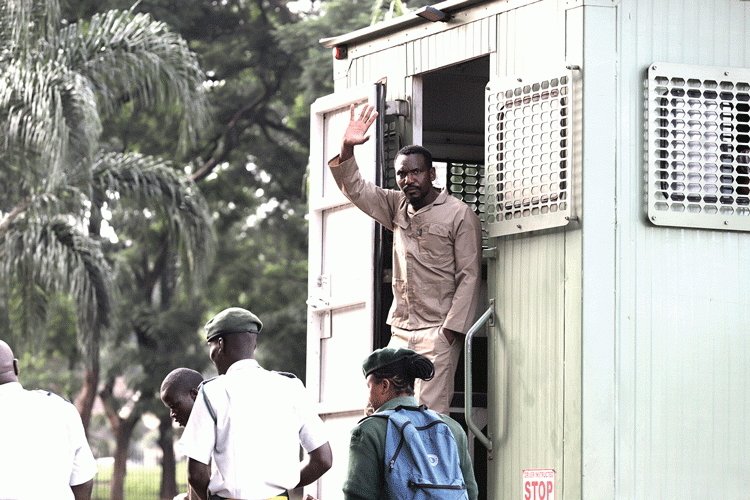
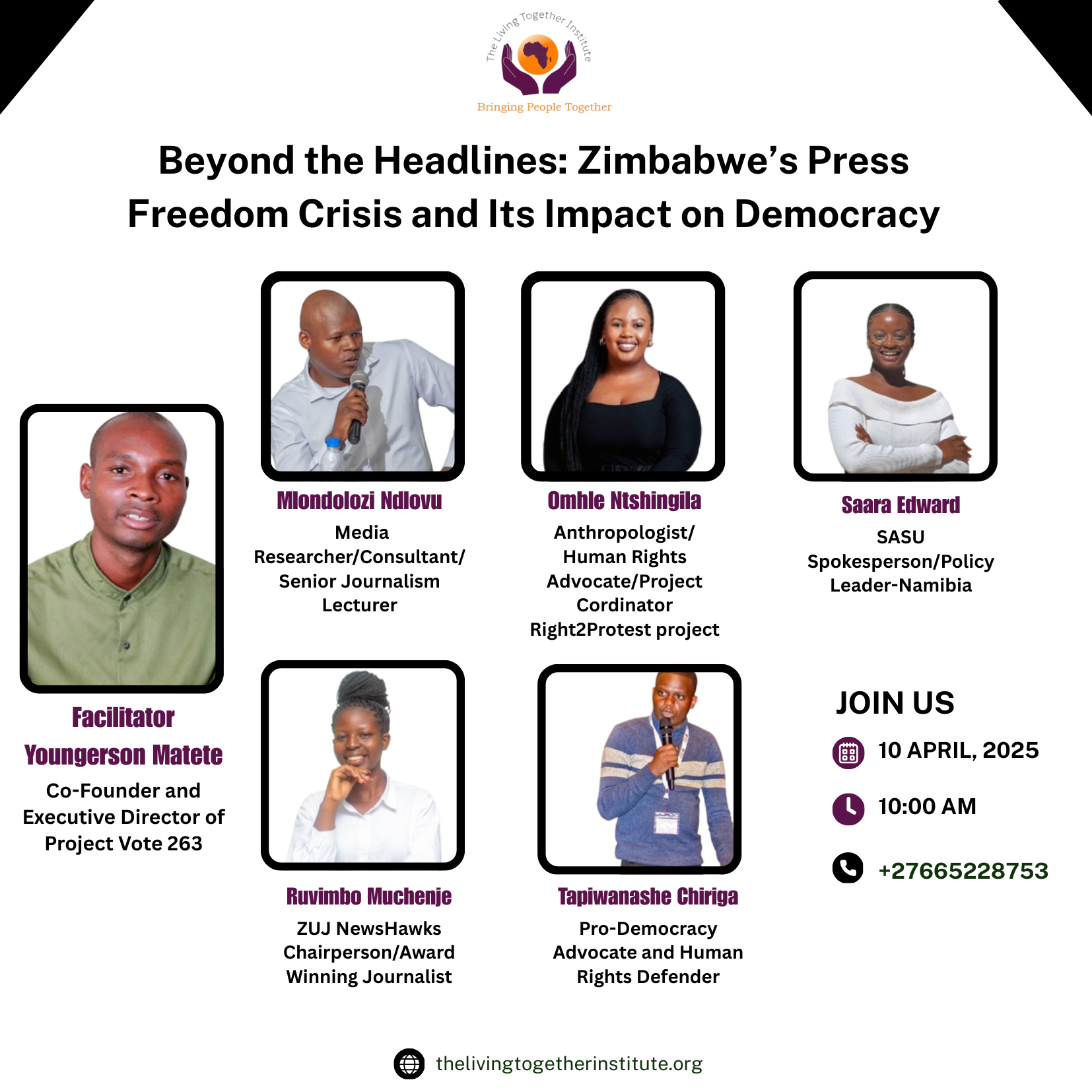
In the lead-up to World Press Freedom Day on May 3rd, the Living Together Institute hosted a powerful dialogue titled “Beyond the Headlines: Zimbabwe’s Press Freedom Crisis and Its Democratic Impact.”
The event brought together journalists, legal experts, civil society leaders, and youth advocates from across Southern Africa to unpack the escalating threats to press freedom in Zimbabwe and explore what that means for democracy across the region.
The discussion could not have come at a more crucial time. Across the country, media practitioners continue to face harassment, arrests, and intimidation, while restrictive laws tighten their grip on what remains of the civic space.
Youngerson Matete, the moderator of the session, kicked off the dialogue with a powerful introduction that set the stage for the conversation on press freedom in Southern Africa. He opened by highlighting the critical importance of press freedom in any democratic society, emphasizing that it is not merely a privilege but a fundamental right that underpins the ability of citizens to hold their leaders accountable and engage in informed discussions.
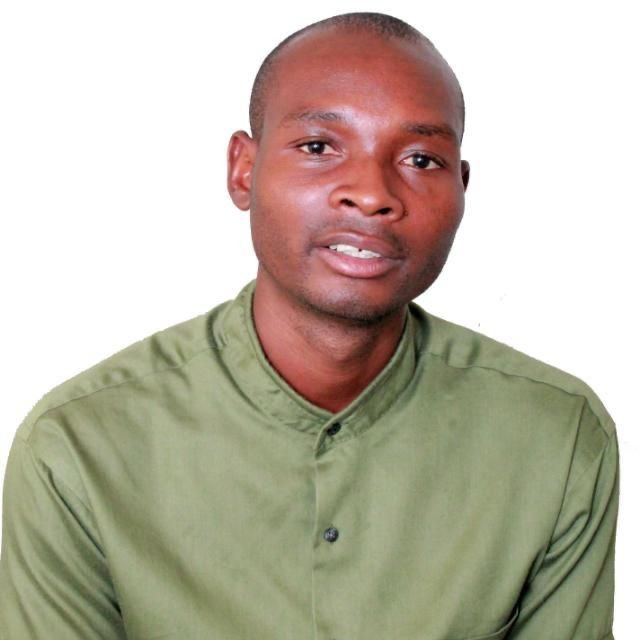
Youngerson Matete
“This isn’t just about journalists; it’s about democracy itself. A silenced press signals a shrinking civic space, and that should alarm every citizen,” he said.
Delivering the keynote address, Mlondolozi Ndlovu, a media researcher and senior journalism lecturer at the Christian College of Southern Africa, offered a sobering overview of Zimbabwe’s media landscape. Ndlovu, who has worked with Amnesty International, ZACRAS, and Voice of America, painted a picture of regression cloaked in modern legal language.
“We may have moved past AIPPA, but its spirit lives on through newer legislation like the Cyber and Data Protection Act,” he noted.
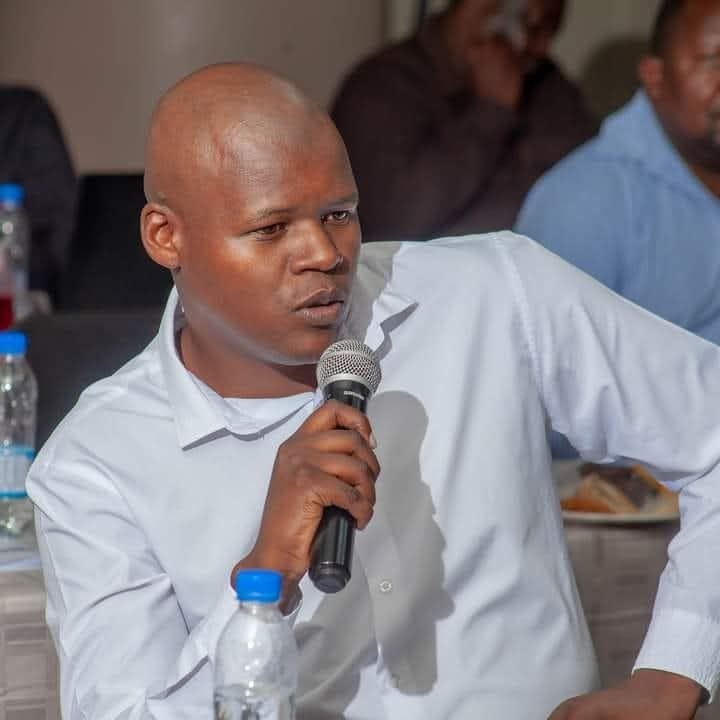
Mlondolozi Ndhlovu
Mlondolozi Ndlovu pointed out the ongoing arrests, detentions, and harassment of journalists in Zimbabwe, noting a stark contrast between the country’s constitutional promises of free expression and the everyday realities faced by media professionals. He emphasized that while legal protections exist on paper, press freedom remains largely symbolic in practice.
Press Freedom and Democratic Governance
Taking a broader, regional perspective, Omhle Ntshingila, a South African anthropologist, writer, and human rights advocate, emphasized the critical connection between press freedom and democratic accountability.
She highlighted the paradox in South Africa, where despite progress in media freedom, significant challenges remain.
“The tactics may differ in terms of lawsuits, threats, or digital harassment but the goal is the same: control the narrative and suppress dissent,” she explained, referring to the growing harassment of journalists.
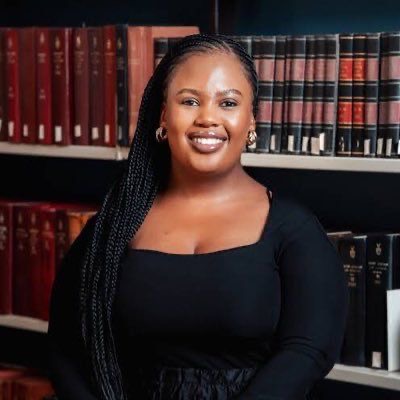
Omhle Ntshingila
Ntshingila delved into the role of the legal system in press repression, noting that courts are increasingly used to silence journalists and prevent crucial reporting.
“When the media is censored, or when journalists are silenced, we lose transparency and accountability,” she said.
She concluded with a call for regional solidarity, emphasizing that press freedom cannot be viewed as an isolated issue.
“What’s happening in Zimbabwe today could easily spill over into South Africa tomorrow,” Ntshingila warned, urging a collective effort across borders to protect the rights of journalists and safeguard democratic values.
Tapiwanashe Chiriga, a human rights defender and information officer at Heal Zimbabwe Trust, reminded participants that the struggle for press freedom extends beyond newsrooms.
“This is not a fight for journalists alone. Every citizen has a stake in ensuring the media remains free,” said Chiriga.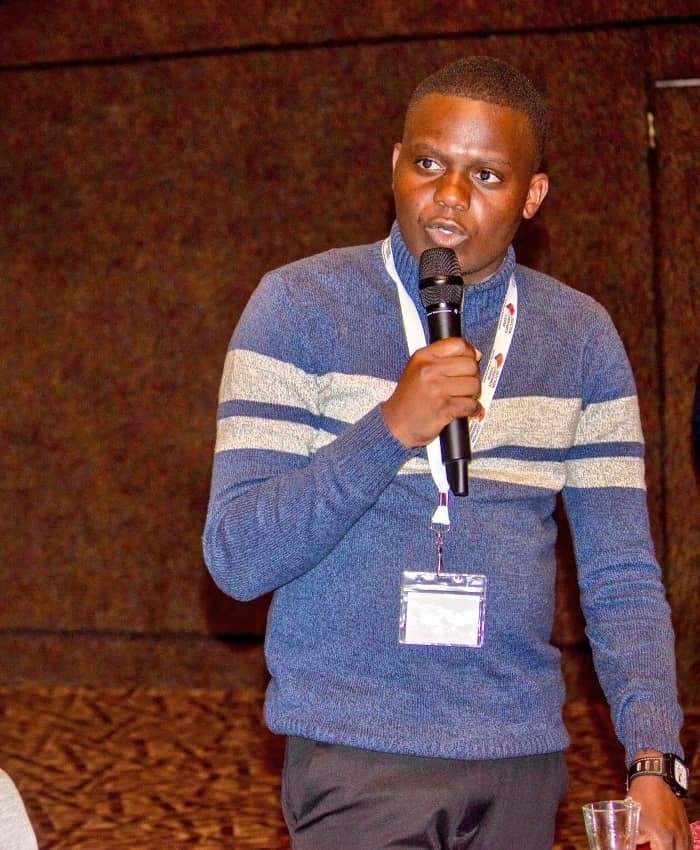
Tapiwanashe Chiriga
He shared examples of successful grassroots advocacy, including coalition-building between journalists, civil society, and local communities.
“Change happens when we organize. When we build alliances and raise a collective voice, even repressive systems take notice,” he added.
For Ruvimbo Muchenje, an award-winning journalist and chairperson of the Zimbabwe Union of Journalists Newshawks, the digital space has become both a lifeline and a battleground. Having been assaulted twice while on duty, Muchenje is no stranger to the dangers of the job.
“Social media has created alternative platforms for truth-telling. But it has also exposed us to new forms of surveillance, trolling, and digital harassment,” she said.
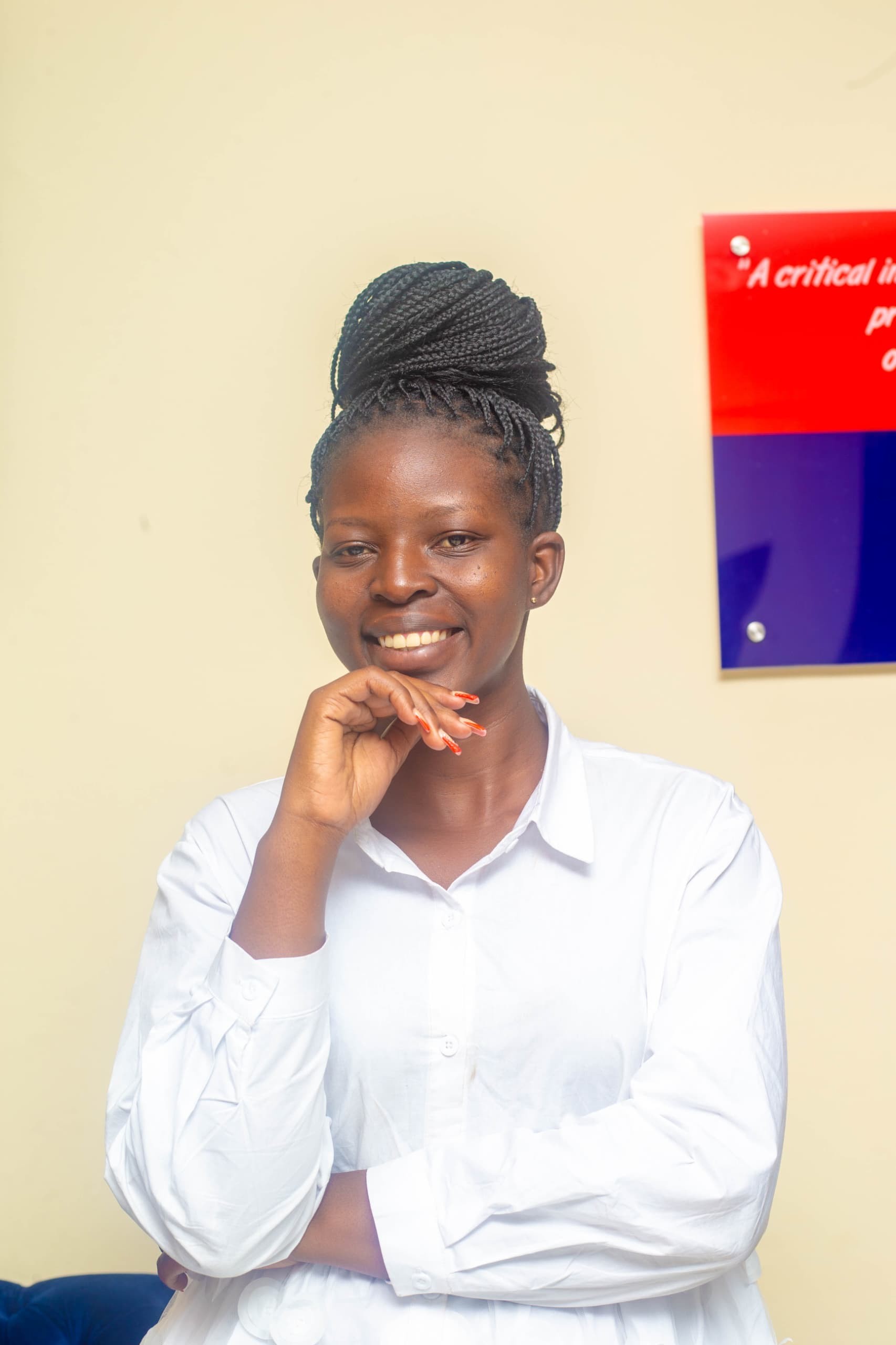
Ruvimbo Muchenje
She stressed the urgent need to prioritize digital safety for journalists, who are increasingly vulnerable to online harassment, surveillance, and cyber-attacks. As more media professionals turn to digital platforms to share stories and engage with the public, they face growing risks ranging from hacking and data breaches to coordinated abuse and threats. Without adequate protections, these digital threats can silence critical voices, restrict press freedom, and undermine the role of journalists in holding power to account.
“We need to equip journalists with the tools to protect themselves not just in the field, but on the internet too,” she urged.
A Regional Call to Action
Concluding the panel, Saara Edward, a law student and spokesperson for the Southern African Students’ Union (SASU), called for stronger regional solidarity and collective action to defend press freedom across Southern Africa.
“Press freedom cannot be protected in isolation. What affects Zimbabwe today could affect Namibia tomorrow. We need collective action across borders,” she said.
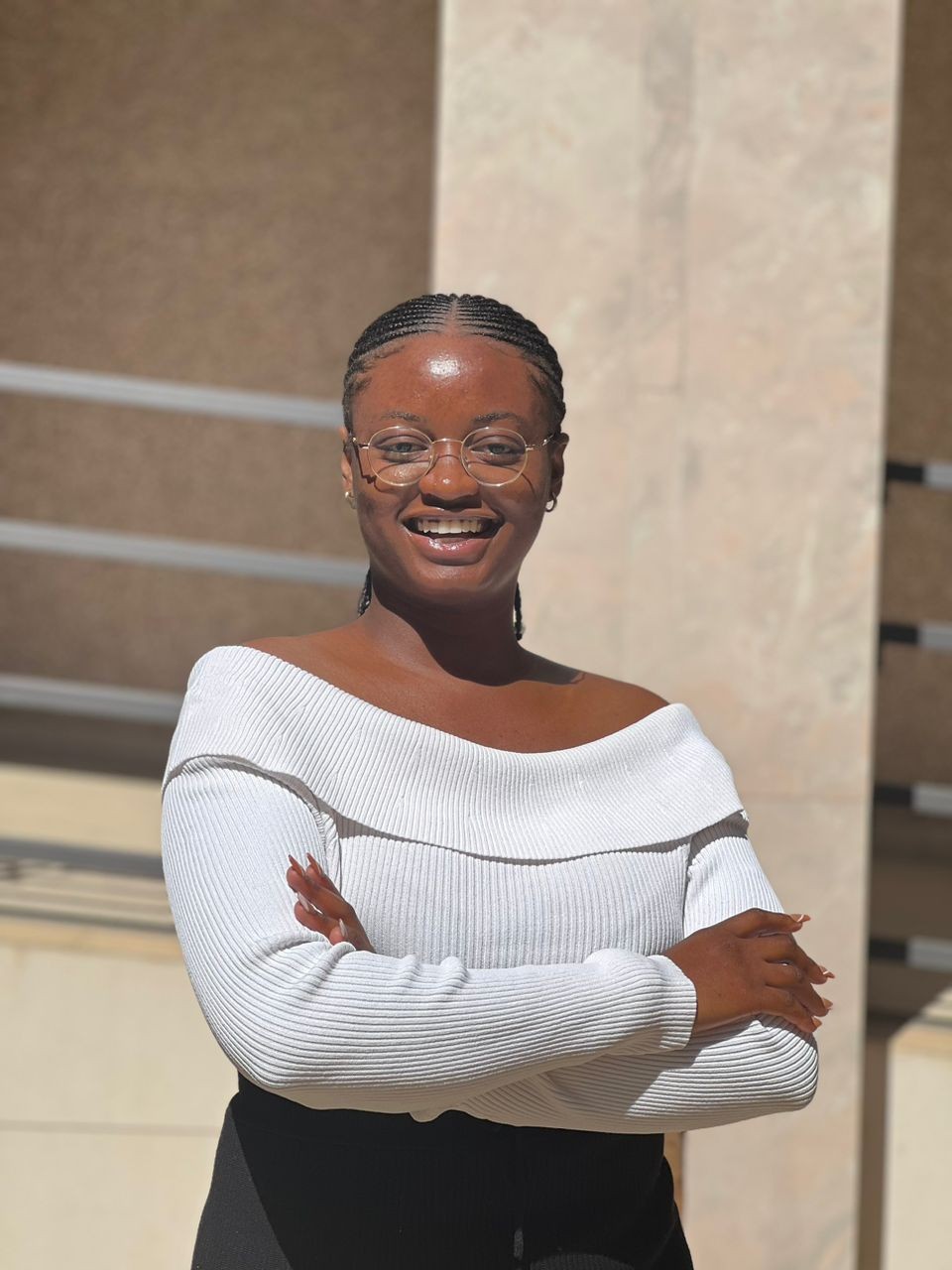
Saara Edward
Edward highlighted Namibia’s positive press freedom record, thanks to progressive legislation like the Access to Information Act. However, she also pointed out that challenges, such as political interference and state media biases, continue to undermine true media independence.
She further stressed the vital role of youth in defending press freedom, urging young people to get involved through legal research, policy advocacy, and civic education.
“Young people must be part of the solution. We must know our rights, defend them, and hold leaders accountable,” she added.
In her closing remarks, Edward advocated for cross-border collaboration, strengthening digital safety measures, and establishing platforms and unions to protect journalists across the region.
David Moore, an academic with a background in journalism, emphasized the importance of interrogating the issue of free expression. He noted that in Zimbabwe, the lack of investigation into attacks on journalists reflects the dangers of a society where the truth is often suppressed.
From legal reform to grassroots organizing, and from digital literacy to regional solidarity, the speakers agreed that the road ahead will require collaboration, courage, and persistence citing that the fight for truth is one that cannot be postponed and cannot be won in silence.
The dialogue closed with an interactive discussion and a strong call to action. Participants agreed that defending press freedom is not only about protecting journalists but about safeguarding democracy itself.