
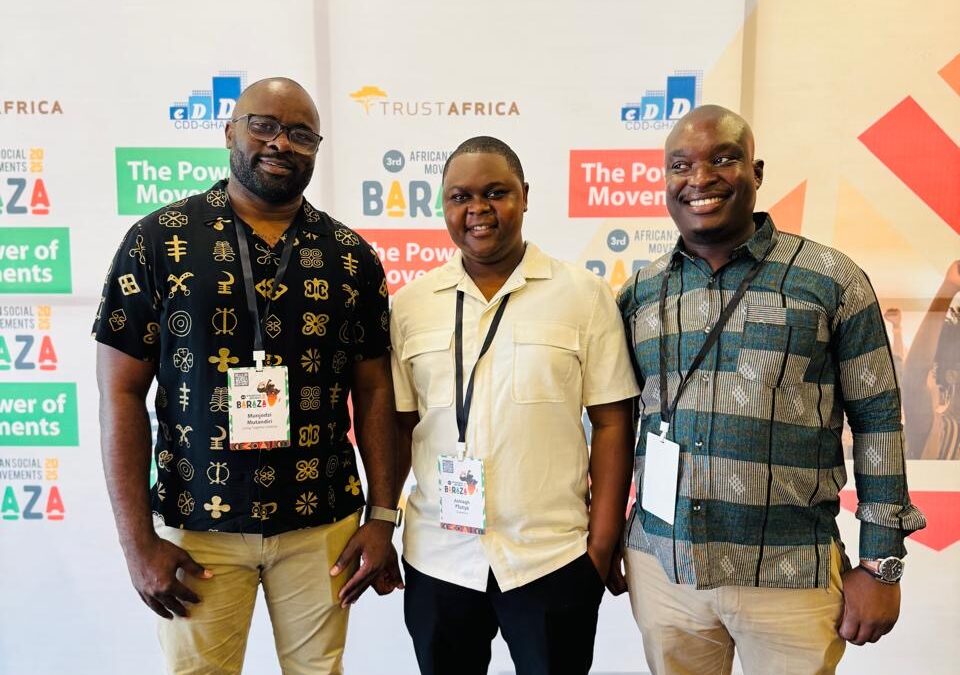
The Living Together Institute was honoured to take part in the 3rd African Social Movements
Baraza, held in Accra, Ghana, under the timely and resonant theme: “The Power of
Movements.”
This landmark convening brought together some of the continent’s most dynamic social
justice actors, organizers, thinkers, funders, and visionaries, united by a shared commitment
to shaping a more just, equitable, and democratic Africa.
Organized by TrustAfrica and the Centre for Democratic Development (CDD-Ghana), the
Baraza named after the Swahili word for “council” or “gathering” lived up to its promise,
offering a critical platform to explore the evolving nature of civic resistance, the shifting
contours of political power, and the pressing need for sustainable activism in the face of
mounting challenges.
This was a timely discussion, especially for activists and movements from Zimbabwe, were
civic space has been tightening significantly. The recent passage of the Private Voluntary
Organizations (PVO) Amendment Bill, widely criticized for increasing state control over
NGOs has raised serious concerns about the future of civil society in the country.
The bill, under the pretext of curbing terrorism and money laundering, grants the government
sweeping powers to regulate and potentially dissolve organizations it deems political. For
many Zimbabwean organizations working on democracy, human rights, and social justice,
this is a direct threat to their survival and independence.
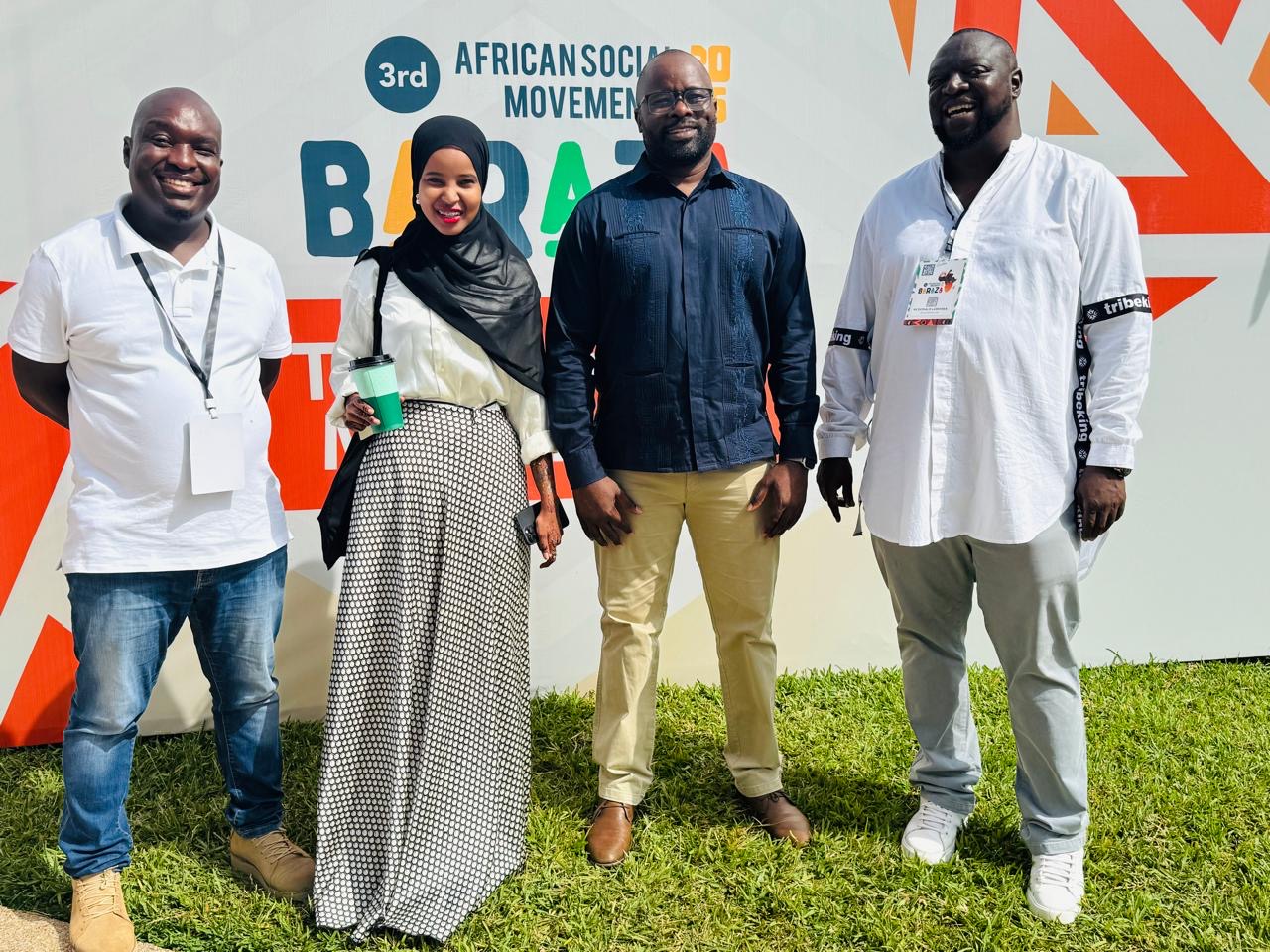
Our Team Leader, speaking during the “Movements and Resourcing” stream, addressed this
reality head-on with a powerful call to action: “In grant making, it has to be a must to have a
sustainability portion to ensure that organizations survive when turbulent times like the ones
we are in come.”
His words resonated deeply with attendees, especially those grappling with increasing
repression from their home countries.
But Zimbabwe is not alone. Across the continent, similar trends are emerging. In Uganda,
civil society organizations face constant scrutiny and arbitrary shutdowns. In Tanzania and
Ethiopia, activists and journalists have been detained or harassed under vague security
laws. Even in more stable democracies like Kenya, restrictions around protests and digital
surveillance have raised alarms about the state’s growing reach. These are not isolated
incidents; they form a pattern of democratic backsliding that is slowly eroding the
foundations of civic life.
There is a growing consensus that traditional philanthropy, largely project-based and short-
term, no longer meets the moment. Movements need core support, flexible funding, and
long-term partnerships that allow them not just to respond to crises, but to strategize, build,
and endure.
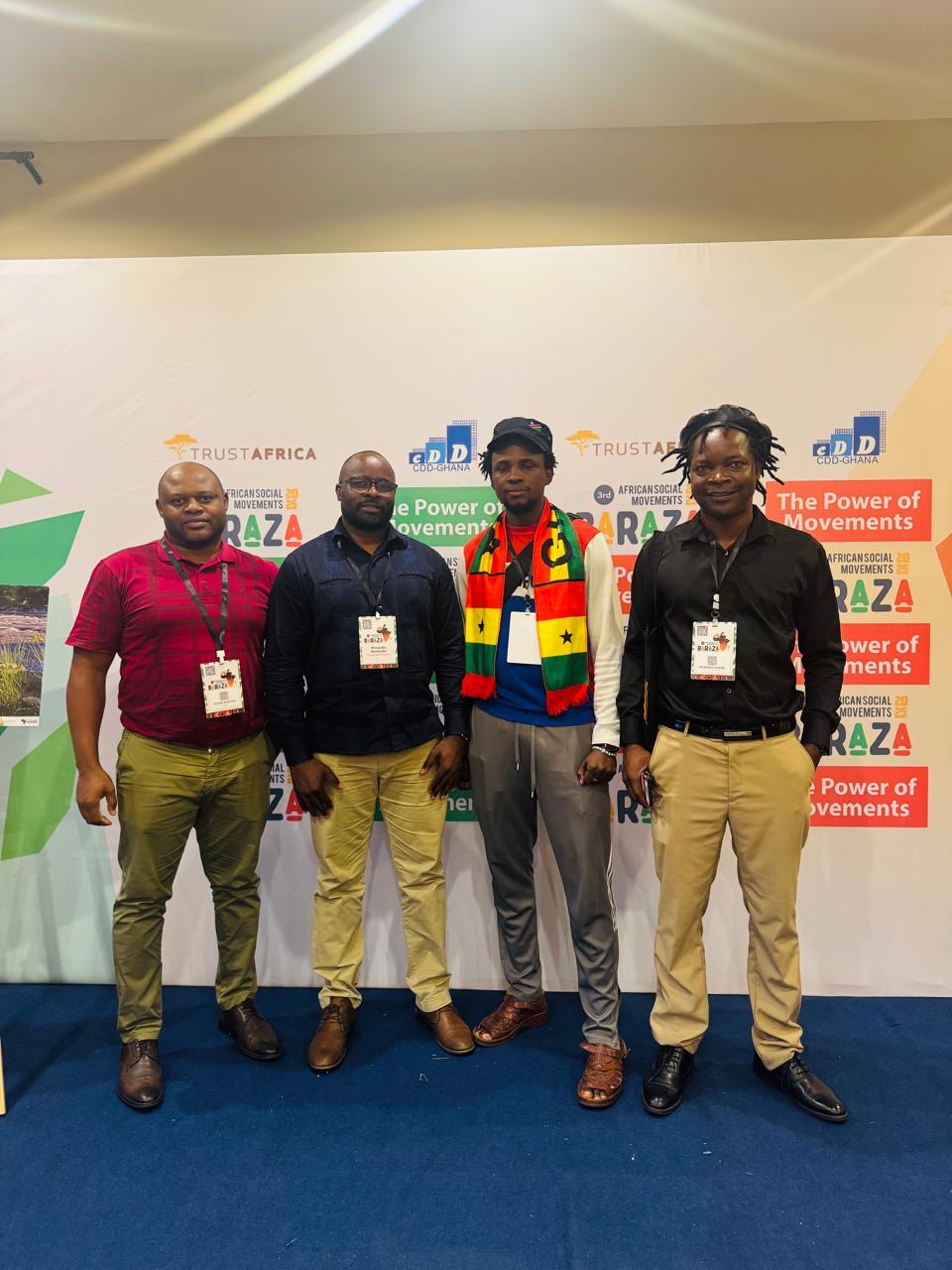
What stood out in Accra was the different voices and experiences that filled the rooms.
Women-led land rights groups from Southern Africa, youth climate activists from East Africa,
democracy defenders from West Africa all gathered with stories of resilience, resistance, and
renewal. There was an unmissable energy: a sense that despite the odds, African social
movements are not retreating. They are rising, adapting, and rewriting the rules.
The Living Together Institute left the Baraza not only inspired but deeply affirmed. The work
of defending civic space, of building cross-border solidarity, of sustaining hope through dark
times is not easy, but it is necessary. At The Living Together Institute, we return to our work
with renewed Vigor, committed to strengthening the ecosystem of movements across the
continent.
The power of movements lies not only in their ability to disrupt, but in their ability to imagine.
And to make that imagination real, we need resourcing that is bold, just, and rooted in the
belief that African-led change is not only possible, it is already happening.